Meal Prep 101: A Guide to Healthy Eating and Nutrition
As someone who has navigated the complexities of meal prepping, I understand the importance of planning nutritious meals ahead of time. My journey toward healthier eating has led me to explore various techniques and tools that can make meal prepping not only efficient but enjoyable. In this guide, I’ll share valuable insights into the art and science of healthy meal prep, designed for anyone looking to enhance their diet and lifestyle.
Table of Contents
1Understanding the Essentials of Meal Prepping
Meal prepping is a strategic approach to planning and preparing meals ahead of time, allowing you to enjoy healthier eating habits without the daily hassle of cooking. At its core, meal prepping helps to ensure balanced nutrition by separating food portions you can easily grab on busy days. This technique not only saves time but also minimizes the likelihood of impulsive, unhealthy food choices. Proper meal prep can involve simple strategies such as selecting one day a week to cook large batches of food, portioning them out into containers, and storing them correctly in your refrigerator or freezer. It’s essential to understand different food storage techniques to maintain the freshness and nutritional value of your meals. For instance, utilizing the freezer can extend the life of cooked meals, while using glass containers can minimize leaching from plastic. Moreover, adopting a meal prep routine can contribute to better financial management, as buying ingredients in bulk often reduces grocery costs over time. Ultimately, the benefits of meal prepping extend beyond convenience to include healthier eating habits and a more structured approach to your dietary needs.
2Key Specifications for Effective Meal Prep
When gearing up for meal prep, certain specifications can significantly impact the effectiveness and efficiency of your routine.
1. Meal Storage Containers: Choose BPA-free plastic or glass containers with secure lids. Look for options that are microwave and dishwasher safe. Flexibility in container sizes (small for snacks, larger for meals) can help in portion control.
2. Kitchen Tools: Invest in essential kitchen tools such as a reliable meal scale for accurate portioning, high-quality knives for efficient chopping, and cutting boards that accommodate various food types. A reliable food processor can also be a game-changer, drastically reducing prep time.
3. Meal Planning System: Some prefer digital tools or apps to plan their meals, while others may opt for simple calendars or notebooks to jot down weekly menus. Stick to one that keeps you organized and does not add extra stress.
4. Ingredients: Stocking up on versatile, whole foods (like lean proteins, whole grains, fruits, and vegetables) is essential. Opt for seasonal produce to enhance freshness and flavor.
5. Cooking Techniques: Utilize a variety of cooking techniques such as roasting, sautéing, and steaming to maintain excitement in your meals. Exploring different spices and herbs can also enrich the flavors and keep meals appealing.
By focusing on these key specifications, you can significantly enhance the overall quality and success of your meal prepping endeavors.
3Technical Analysis: The Best Meal Prep Methodologies
| Criteria | Option A | Option B | Option C | Verdict |
|---|---|---|---|---|
| Batch Cooking | High initial time investment | Moderate, prep all at once | Low, cook each meal separately | Option B is ideal for balancing time and efficiency. |
| Food Variety | Limited flavors over time | High, mix flavors and types | Moderate, depends on recipes | Option A can lead to burnout over time. |
| Storage Efficiency | Requires ample space | Compact container usage | Limited storage options | Option B maximizes space effectively. |
| Nutritional Value | High if planned wisely | Moderate, depends on ingredients | Low if meals aren't balanced | Option B has the best potential for health. |
This comparison outlines various methodologies for preparing meals in larger batches. Selecting the right option depends on your lifestyle, cooking preferences, and nutritional goals, each with its advantages and challenges.
4Our Meal Prep Testing Results
Rubbermaid Brilliance Food Storage Containers
Rubbermaid
Durable, clear food storage containers that are stain and odor resistant with airtight seals.
Pros
- Stain resistant
- Airtight seals
- Microwave and dishwasher safe
Cons
- More expensive than basic containers
- Limited sizes in some sets
Instant Pot Duo 7-in-1
ASS.PE.R.R IT
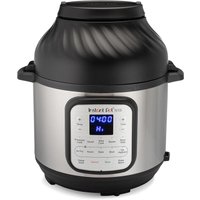
A versatile cooking appliance that combines seven kitchen appliances in one, ideal for quick meal prep.
Pros
- Time-saving
- Versatile cooking functions
- Easy to clean
Cons
- Learning curve for new users
- Can be bulky to store
Fitpacker Meal Prep Bags
Fitpacker
Lightweight and convenient meal prep bags designed for portion control and easy transportation.
Pros
- Compact and lightweight
- Variety of styles
- Easy to clean
Cons
- Limited insulation
- Not waterproof
SharkNinja Food Processor
SharkNinja
Powerful food processor that makes chopping, slicing, and blending quick and easy.
Pros
- Fast and efficient
- Versatile functions
- Easy to clean
Cons
- May be loud during operation
- Can take up space in storage
5Emerging Trends and Innovations in Meal Prep
The meal prep landscape is evolving with several trends that impact how we approach healthy eating. Some notable innovations include:
1. Meal Prep Subscription Services: As more individuals lean towards convenience, companies are offering pre-portioned meals that save time on grocery shopping and cooking, appealing especially to busy professionals and families.
2. Smart Kitchen Appliances: Devices like smart ovens and air fryers that connect to apps are making it easier to control cooking times and temperatures remotely, allowing for a more seamless meal prep experience.
3. Sustainable Meal Prep Options: Eco-friendly brands are focusing on biodegradable or reusable food storage options, which resonate with environmentally conscious consumers.
4. Health-Oriented Meal Kits: Customized meal kits catering to specific diets such as keto, paleo, and vegan are gaining momentum, providing tailored options for various nutritional needs.
As the meal prep industry continues to innovate, staying updated helps ensure that you are utilizing the best tools and methods available to enhance your health.
Conclusion
In conclusion, mastering the art of healthy meal prep can significantly improve your nutritional intake and save you time during a busy week. Remember to invest in quality storage solutions and ingredients that align with your dietary goals. Start small, experiment with new recipes, and enjoy the process. Happy prepping!